
Greve in Chianti: History, sights and hidden treasures
Located in the heart of Tuscany, Greve in Chianti is far more than a stopover on the classic wine route. Its history, architecture, and culture make the village a special place. Those who truly want to understand Greve should delve deeper into its past and explore the less obvious yet fascinating aspects.
Historical background
The Chianti region was already settled in Etruscan and Roman times. However, Greve itself developed primarily in the Middle Ages. Thanks to its location on the Via Chiantigiana, an important trade route between Florence and Siena, it became an important marketplace.
In the Middle Ages, the region became embroiled in conflicts between Florence and Siena. Greve was under the influence of Florence, which shaped its political and economic development. The village was repeatedly fortified to protect itself against attacks.
In the 15th century, the importance of the wine trade grew. The weekly market, which still takes place every Saturday, became a trading center for wine and olive oil. This development laid the foundation for Greve's current position in the Chianti region.
Piazza Matteotti: The heart of the village
Piazza Matteotti forms the center of Greve. Its triangular layout distinguishes it from many other squares in Tuscany. Arcades frame the square, under which merchants once sheltered their wares. Today, it houses shops, cafés, and wine shops.
In the center stands a statue of Giovanni da Verrazzano. The explorer, who was the first European to explore the coast of North America from Florida to Newfoundland, was born near Greve.
The churches of Greve in Chianti
One of the most important churches is the Propositura Santa Croce, a neoclassical building from the 19th century. It houses valuable works of art, including a crucifix from the 15th century.
Just outside the village is the Pieve di San Cresci, one of the oldest churches in the region. It was built in the 10th century and is an impressive example of Romanesque architecture. Its elevated position also offers spectacular views of the surrounding countryside.
Castello di Montefioralle: a medieval jewel
Above Greve towers the Castello di Montefioralle, one of the best preserved medieval villages in Tuscany. The original fortress played an important role in the wars between Florence and Siena. Today it is a quiet place with narrow streets and historic buildings.
Montefioralle is surrounded by a well-preserved town wall. The small church of Santo Stefano, which dates back to the 12th century, impresses with its simple but elegant Romanesque architecture. Another highlight is the birthplace of Amerigo Vespucci, after whom the American continent was named.
Villa Vignamaggio: History and Legends
Villa Vignamaggio, a Renaissance villa from the 14th century, once belonged to the Florentine Gherardini family. Legend has it that Lisa Gherardini, the presumed model for Leonardo da Vinci's Mona Lisa, was born here.
In addition to its architecture, the villa's vineyards and olive groves are another highlight. The Chianti wines produced there are among the region's finest.
The importance of wine for Greve in Chianti
Viticulture is the economic and cultural backbone of Greve. The rolling hills surrounding the village provide ideal conditions for the Sangiovese grape, used in Chianti wine. The Etruscans cultivated wine here as early as ancient times. Later, Greve became an important wine trading center in the Middle Ages.
Every year in September, the Chianti Classico wine festival attracts wine lovers from all over the world. Over 60 winegrowers present their best vintages. The festival is not only a culinary event, but also an important cultural event.
The Museo del Vino
The Museo del Vino is dedicated to the history of viticulture in the region. Housed in an old wine cellar, it displays historical tools and artifacts. Visitors can learn more about grape varieties, wine production and the importance of Chianti wine.
The landscape and nature
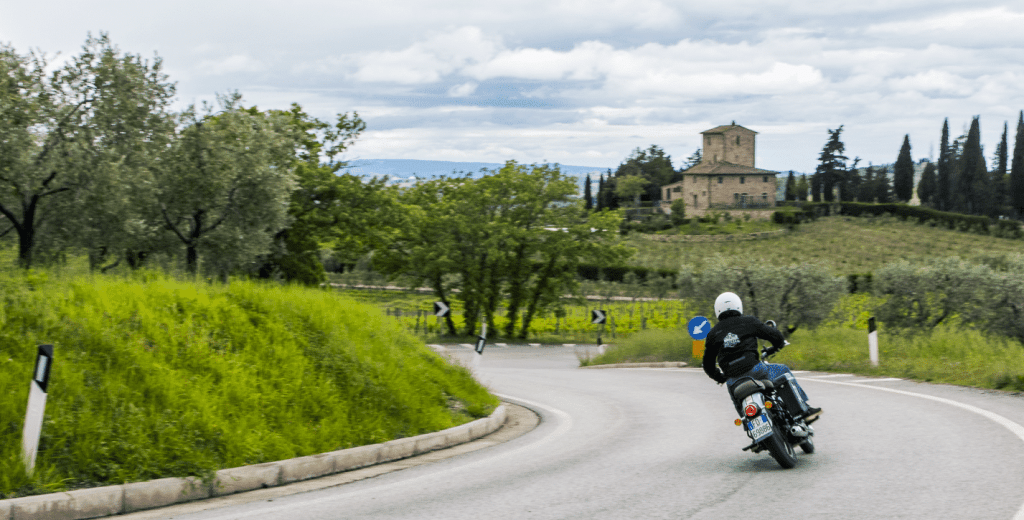
The surrounding area of Greve offers picturesque hills covered with vineyards, olive groves, and cypress trees. Numerous hiking and cycling trails invite you to explore.
The Sentiero del Chianti, which leads through the most beautiful areas of the region, is particularly popular. Another natural highlight is Monte San Michele, the highest point in the Chianti region. From there, you can enjoy a breathtaking view of the Tuscan countryside.
Festivals and markets
Numerous traditional festivals and events take place in and around Greve, enriching the cultural life of the town:
- Weekly market: Every Saturday morning in Piazza Matteotti with local products and handicrafts.
- Festa della Stagion Bona: A traditional festival in Panzano, Greve in Chianti.
- Grande Festa della Birra: A beer festival in Strada in Chianti.
- Chianti Classico Wine Festival: On the second weekend of September, with wine tastings, art exhibitions and concerts.
- Festa del Giaggiolo: una festa dedicata all'iris.
- Festa di Primavera: A spring festival in Strada in Chianti.
- Festa delle Frittelle: A festival dedicated to the local specialty, frittelle, in Montefioralle.
- Antiques and Collectors Fair: Takes place on the Monday after Easter.
- Festa dei Fiori: An annual flower festival, usually on the first weekend after May 1st.
- I Profumi di Lamole sotto le stelle: A culinary and astronomical event in Lamole that takes place in August.
It is advisable to consult the website of the municipality of Greve in Chianti or the website “In Greve in Chianti” for current dates and details of the events, as dates and procedures can change at short notice.
In summary
Greve in Chianti is far more than an idyllic village. Its history, architecture, and culture make it a unique place. From medieval castles and historic churches to wine festivals and traditions, Greve offers an authentic Tuscan experience. Those who delve into the hidden treasures of this place will be rewarded with a deeper understanding of Tuscan history and culture.